
University certificate
Accreditation/Membership
.png)







The world's largest faculty of medicine”
Introduction to the Program
Un programa exhaustivo y 100% online, exclusivo de TECH y con una perspectiva internacional respaldada por nuestra afiliación con Pacific Spine and Pain Society”

Un nuevo estudio efectuado por la Organización Mundial de la Salud reconoce que el Dolor Lumbar afecta al 80% de la población en algún momento de su vida, siendo una de sus causas más habituales la Hernia Discal. Con la irrupción de la industria 4.0, este campo se ha visto enriquecido por técnicas de imagen como la resonancia magnética que han mejorado de manera significativa la precisión diagnóstica. Al mismo tiempo, el tratamiento de dichas condiciones ha avanzado al diseñarse enfoques quirúrgicos menos invasivos que ofrecen ventajas en términos de recuperación y reducción de complicaciones a largo plazo. Por ello, los expertos necesitan mantenerse a la vanguardia de estos avances para optimizar la efectivad de los resultados clínicos.
En este contexto, TECH presenta un innovador Postgraduate certificate en Herniated Discs. Diagnosis and Treatment. Concebido por expertos de renombre, el itinerario académico profundizará en el uso de herramientas diagnósticas modernas como la tomografía computarizada. Asimismo, el temario otorgará múltiples estrategias para la planificación de tratamientos personalizados que combinen métodos conservadores con técnicas mínimamente invasivas. También, los contenidos didácticos se enfocarán en la prevención temprana de complicaciones y la rehabilitación funcional. Todo ello contribuirá a que los egresados desarrollen competencias avanzadas para garantizar el bienestar de los pacientes.
Cabe destacar que esta titulación se apoya en la disruptiva metodología del Relearning, consistente en la reiteración estratégica de los aspectos más relevantes. Esto permitirá a los médicos no dedicar largas horas al estudio. Solamente necesitarán un dispositivo con internet para entrar al Campus Virtual. Adicionalmente, un reconocido Director Invitado Internacional impartirá una rigurosa Masterclass.
Gracias a que TECH es miembro de la Pacific Spine and Pain Society (PSPS), sus egresados acceden a materiales clínicos actualizados y sesiones educativas centradas en afecciones de la columna. Esta afiliación les permite participar en simposios y foros especializados, conectando con expertos en dolor y cirugía espinal, y ampliando su red profesional en un campo altamente especializado.
Un prestigioso Director Invitado Internacional brindará 1 intensiva Materclass sobre los avances terapéuticos más vanguardistas para el manejo de Hernias Discales”
Este Postgraduate certificate en Herniated Discs. Diagnosis and Treatment contiene el programa universitario más completo y actualizado del mercado. Sus características más destacadas son:
- El desarrollo de casos prácticos presentados por expertos en Medicina
- Los contenidos gráficos, esquemáticos y eminentemente prácticos con los que están concebidos recogen una información científica y práctica sobre aquellas disciplinas indispensables para el ejercicio profesional
- Los ejercicios prácticos donde realizar el proceso de autoevaluación para mejorar el aprendizaje
- Su especial hincapié en metodologías innovadoras
- Las lecciones teóricas, preguntas al experto, foros de discusión de temas controvertidos y trabajos de reflexión individual
- La disponibilidad de acceso a los contenidos desde cualquier dispositivo fijo o portátil con conexión a internet
Reforzarás tus conocimientos clave mediante la innovadora metodología del Relearning para conseguir una asimilación efectiva de la materia”
Incluye en su cuadro docente a profesionales pertenecientes al ámbito de la Medicina, que vierten en este programa la experiencia de su trabajo, además de reconocidos especialistas de sociedades de referencia y universidades de prestigio.
Su contenido multimedia, elaborado con la última tecnología educativa, permitirá al profesional un aprendizaje situado y contextualizado, es decir, un entorno simulado que proporcionará un estudio inmersivo programado para entrenarse ante situaciones reales.
El diseño de este programa se centra en el Aprendizaje Basado en Problemas, mediante el cual el alumno deberá tratar de resolver las distintas situaciones de práctica profesional que se le planteen a lo largo del curso académico. Para ello, el profesional contará con la ayuda de un novedoso sistema de vídeo interactivo realizado por reconocidos expertos.
Aplicarás protocolos sofisticados de planificación preoperatoria, seguimiento postoperatorio y rehabilitación funcional"

Ejecutarás procedimientos quirúrgicos abiertos y mínimamente invasivos con una elevada seguridad"
Syllabus
The structure of the contents has been designed by a team of expert surgeons, which encompasses all the updates in spinal pathology.
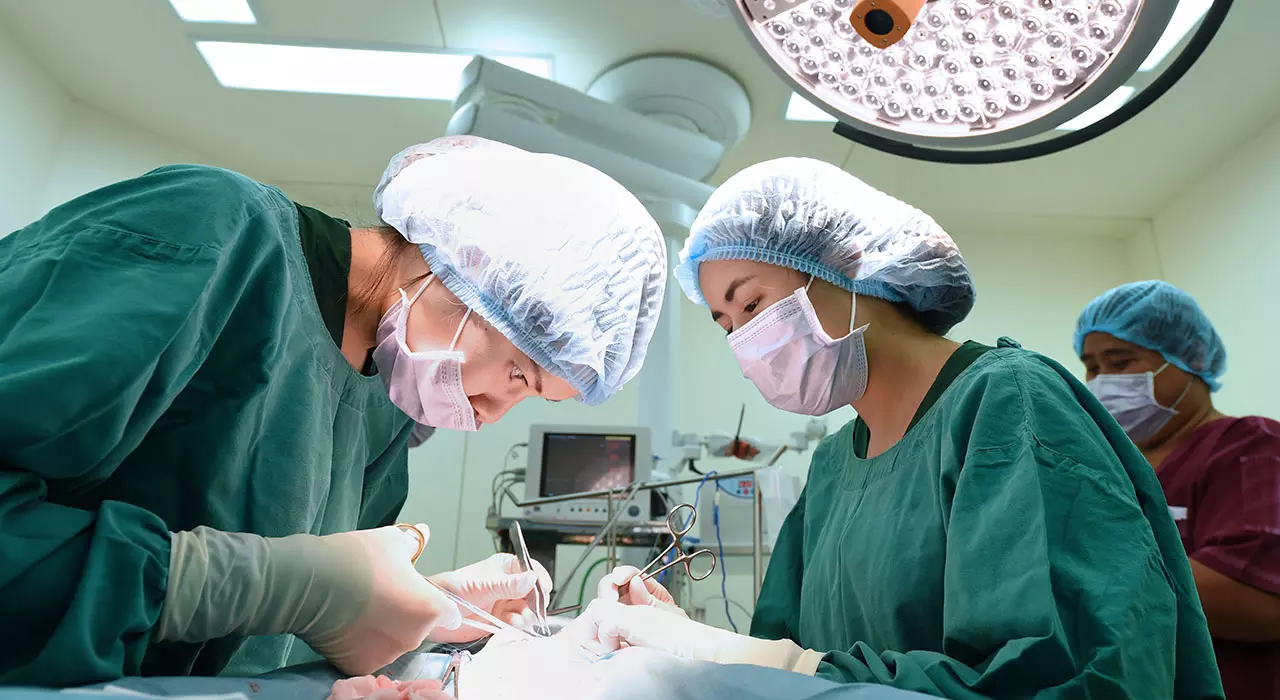
This Postgraduate certificate has a quality program adapted to the latest trends in the field of spinal surgery"
Module 1. Herniated Discs, Diagnosis and Treatment of Radicular Pain. Emerging Technologies for the Treatment of Low Back Pain
1.1. Epidemiology, Natural History and Imaging Findings in Radicular Pain
1.1.1. Use of Common Epidemiological Terms to Define and Prevalence Factors of Radicular Pain
1.1.2. Knowledge of the Natural History of Radicular Pain
1.1.3. Identify Contributing Fractures
1.1.4. Diagnosis of the Causes of Radicular Pain
1.1.5. Evaluate Why Disc Herniations Occur
1.1.6. Differentiate the Role of Diagnostic Imaging between Computerized Axial Tomography (CT) and Magnetic Resonance Imaging (MRI) for Radicular Pain
1.1.7. Interpretation of Images Using the Correct Nomenclature
1.2. Non Surgical Action in the Treatment of Radicular Pain
1.2.1. Evaluate Non Surgical Treatment Options for Radicular Pain
1.2.2. Explaining These Options to Patients
1.2.3. Identify Patients who are Susceptible to Non Surgical Treatment
1.2.4. Differentiate Between Types of Analgesia. Analgesic Scale
1.2.5. Summarize the Roles of Rehabilitation and Physiotherapy
1.3. Surgery of Radicular Pain in the Lumbar Spine
1.3.1. Differences Between the Various Absolute and Relative Indications for Surgery
1.3.2. Identify Appropriate Timing for Surgery
1.3.3. Evaluate the Usual Surgical Techniques with Evidence Support
1.3.4. Compare Both Surgical and Non Surgical Treatment Options
1.3.5. Formulate an Adequate Surgical Plan
1.3.6. Anticipate Possible Complications and Establish a Plan for Return to Work and Activity
1.4. Thoracic Myelopathy
1.4.1. Myelopathic Imaging: Techniques and Prognostic Indicators
1.4.2. Interpret MRI and CT Findings in Spondylotic Myelopathy
1.4.3. Recognize the Change of Signs in Different Rmn Sequences and their Significance
1.4.4. Consider the Different Differential Diagnoses in Non Tumorous Pathology of the Spinal Cord
1.4.5. Know the Current Role of Myelography and MyeloTAC in Myelopathy Imaging
1.4.5.1. Clinical and Surgical Decision Making in Thoracic Myelopathy
1.4.5.2. Management of the Risk-Benefit Balance in the Surgery of Patients with Thoracic Myelopathy
1.4.5.3. Compare the Different Approaches to Thoracic Myelopathy
1.5. Axial Low Back Pain
1.5.1. Natural History. Obstacles to Recovery and Aspects of Non Surgical Treatment of Axial Pain
1.5.1.1. Anticipate Potential Obstacles to Recovery
1.5.1.2. Explain How Mood Can Be Used
1.5.1.3. How to Handle Catastrophic Ideas
1.5.1.4. Differentiate Between Acute and Chronic Low Back Pain
1.5.1.5. Evaluate the Different Options for the Non Surgical Treatment of Low Back Pain
1.5.1.6. Summarize the Current State of the Evidence Regarding Surgical and Non Operative Management
1.5.2. How to Assess a Patient with Axial Pain.
1.5.2.1. Understand the Role of Natural History and Physical Examination in the Assessment of these Patients with Axial Pain
1.5.2.2. Decide on the Need for Imaging Studies.
1.5.2.3. Select Patients with Axial Pain in Need of Advanced Diagnostic Techniques
1.5.2.4. Review the Role of Diagnostic Blocks and Discography in Patients with Axial Pain
1.5.2.5. Conservative Treatment of Low Back Pain
1.5.2.6. Opioid Practice and Perspective: Who is at Risk of Addiction?
1.5.2.7. Radiofrequency Ablation in Low Back Pain
1.5.2.8. Stem Cells and Intradiscal Lumbar Procedures
1.5.2.9. Implantable Therapies for Chronic Low Back Pain
1.5.3. Axial Lumbar Pain Surgery
1.5.3.1. Promote a Rational Alternative to Surgical Fusion
1.5.3.2. Evaluate Alternative Options
1.5.3.3. Select an Appropriate Approach
1.5.3.4. Review Current Evidence
A unique, key and decisive training experience to boost your professional development”
Postgraduate Certificate in Herniated Discs, Diagnosis and Treatment
The treatment of disc problems is an area of great care for professionals, since a poor therapeutic approach can be detrimental to the patient's quality of life. Therefore, it is necessary that individuals in this sector are properly qualified with high quality programs such as TECH Global University. Our Postgraduate Certificate in Herniated Discs, Diagnosis and Treatment has an innovative curriculum, through which the student will learn to recognize the different pathologies, classifying them as serious or urgent according to the patient's characteristics. In addition, throughout the program each student will learn to develop an efficient plan of action, which ensures the needs of the individual, through the application of the latest techniques in this medical area.
Study an online postgraduate course in herniated discs
This TECH program has a state-of-the-art multimedia teaching system. Through this interactive tool, the student will develop practical cases based on real life, thus improving their technical skills and preparing them for the possible scenarios of high difficulty that they will face during their work practice. Similarly, we have sophisticated thematic axes that will provide the best content related to epidemiology, patient assessment, pain management and emerging technologies, among other topics of utmost importance to train as a multidisciplinary professional.