
University certificate







The world's largest faculty of medicine”
Introduction to the Program
Become a specialist in Neuro-Oncology with this 100% online Master's Degree”
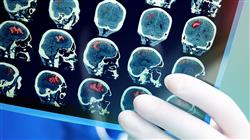
The clinical and scientific approach to Brain Tumors has gained extraordinary relevance in the field of Medicine, primarily due to their intrinsic complexity and the growing incidence of this condition. Moreover, the identification of molecular mechanisms of cancer, along with the application of innovative strategies in diagnosis and treatment, has led to substantial advances in survival rates and quality of life. Furthermore, the implementation of approaches such as immunotherapy, tumor microenvironment reprogramming, and liquid biopsies shows promise and is redefining how we approach these diseases. As a result, the evolution of radiology, neurosurgery, and pharmacological therapies has driven the development of more precise and personalized alternatives, increasing the demand for highly specialized professionals.
In response, TECH has designed a syllabus that allows for an in-depth understanding of key aspects of Neuro-Oncology, covering everything from biological fundamentals to the most advanced clinical intervention strategies. Through structured modules, the program delves into the biology of Brain Tumors, as well as the application of magnetic resonance imaging techniques. It also examines innovations in surgery and intraoperative neuromonitoring, and addresses principles of radiotherapy and pharmacological management through clinical trials and precision medicine-based strategies. As a result, the integration of this knowledge fosters the development of a comprehensive perspective applicable to various age groups, with a particular focus on the pediatric population.
Subsequently, this university program creates a comfortable and academic environment designed to maximize knowledge acquisition through a 100% online model, with continuous access 24/7 from any internet-connected device. Additionally, the platform integrates complementary educational resources that enhance autonomous and collaborative learning, promoting the exchange of professional experiences.
Finally, the program will feature prestigious International Guest Directors who will offer exclusive Masterclasses.
This exclusive university degree combines the latest research in Neuro-Oncology with innovative Masterclasses delivered by renowned International Guest Directors.
This Master's Degree in Neuro-Oncology contains the most complete and up-to-date university program on the market. Its most notable features are:
- The development of practical case studies presented by experts in Neuro-Oncology
- The graphic, schematic, and practical contents with which they are created, provide scientific and practical information on the disciplines that are essential for professional practice
- Practical exercises where self-assessment can be used to improve learning
- Its special emphasis on innovative methodologies
- Theoretical lessons, questions to the expert, debate forums on controversial topics, and individual reflection assignments
- Content that is accessible from any fixed or portable device with an Internet connection
You will deepen your understanding of the approach to Primary and Metastatic Tumors of the central nervous system”
The program includes a teaching staff of professionals from the field of Oncology Medicine, who bring their work experience to this program, as well as recognized specialists from leading societies and prestigious universities.
The multimedia content, developed with the latest educational technology, will provide the professional with situated and contextual learning, i.e., a simulated environment that will provide an immersive learning experience designed to prepare for real-life situations.
This program is designed around Problem-Based Learning, whereby the student must try to solve the different professional practice situations that arise throughout the program. For this purpose, the professional will be assisted by an innovative interactive video system created by renowned and experienced experts.
You will have access to a wide range of innovative multimedia resources, such as infographics, explanatory videos, and specialized readings"
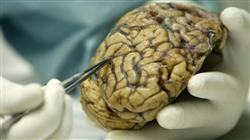
Thanks to the Relearning method, you will reinforce the key concepts offered by this university-level education"
Syllabus
The comprehensive academic itinerary stands out for its holistic approach, as it covers fundamental aspects such as molecular mechanisms, imaging evaluation, and surgical strategies, which strengthens analytical skills and clinical decision-making. It also integrates advanced knowledge in therapies and management of complications, enabling the development of clinical competencies in the Neuro-Oncology field. Furthermore, through the study of innovative methodologies and cutting-edge resources, you will address the neurological complications of general oncological treatments.

You will also explore Paraneoplastic Syndromes with an interdisciplinary perspective”
Module 1. Epidemiology and Molecular Biology in Brain Tumor Diagnosis
1.1. Molecular Mechanisms of Cancer
1.2. Tumor Immunology: Foundations of Cancer Immunotherapy
1.3. Reprogramming the Tumor Microenvironment
1.4. Epidemiology of Primary Brain Tumors in Adults
1.5. Neuropathology of Primary Central Nervous System Tumors
1.6. Neuropathology of Metastases and Complications of Systemic Tumors
1.7. Role of the Biobank in Clinical Research
1.8. Molecular Classification of Brain Tumors
1.9. What is the Future of Molecular Diagnosis for Brain Tumors?
1.10. Understanding New Technology: Next-Generation Sequencing (NGS) in Clinical Practice
1.11. Immunotherapy and Biomarkers
1.12. Liquid Biopsies: Fad or Future?
Module 2. Radiology and Radiotherapeutic and Pharmacological Management of Brain Tumors
2.1. Magnetic Resonance Imaging: Part 1 - MRI of Primary Central Nervous System Tumors
2.2. Magnetic Resonance Imaging: Part 2 - MRI of Central Nervous System Metastases
2.3. New MRI Techniques in Neuro-Oncology
2.4. MRI as a Prognostic and Monitoring Tool in Treatment
2.5. PET-CT and PET-MRI in Glioma Management
2.6. Computed Tomography (CT) in the Approach to Neuro-Oncological Complications
2.7. Role of Nuclear Medicine in Diagnosing Neuro-Oncological Complications
2.8. Radiotherapy Management of Primary Brain Tumors
2.9. Radiotherapy Management of Brain Metastases
2.10. Clinical trials: New Concepts Based on Precision Medicine
2.11. Clinical Trial Results and Meta-Analyses with the Greatest Impact on Clinical Practice in Brain Tumors
2.12. Real World Data Studies: Generating Knowledge
Module 3. Neurosurgical Foundations of Brain Tumors
3.1. General Surgical Strategy in the Treatment of Patients with Primary Brain Tumors
3.2. Neuromonitoring in Surgery for Primary Brain Tumors
3.3. Neuromonitoring in Surgery for Brainstem and Spinal Cord Tumors
3.4. New Technologies Supporting Surgical Treatment
3.5. Awake Surgery. Indications
3.6. Awake Surgery. Anesthetic Considerations
3.7. Awake Surgery. Protocols for Preparation and Neuropsychological Evaluation
3.8. Surgery in Special Locations: Supplementary Motor Area
3.9. Surgery in Special Locations: Language Preservation
Module 4. Diagnostic and Therapeutic Algorithms for Brain Tumors
4.1. Low-Grade Gliomas: Latest Developments in Diagnosis and Treatment
4.2. Current Results in Gliomas with Checkpoint Inhibitors
4.3. Management of Brainstem Gliomas
4.4. Management of Spinal Cord Gliomas
4.5. Treatment Algorithm for Anaplastic Astrocytoma
4.6. Treatment Algorithm for Low-Grade Oligodendroglioma
4.7. Treatment Algorithm for High-Grade Oligodendroglioma
4.8. Treatment Algorithm for Glioblastoma Multiforme
4.9. Anti-Angiogenic Treatment for Glioblastoma Multiforme
4.10. Immunotherapy Treatment for Glioblastoma Multiforme
4.11. Evaluation of Immunotherapy Efficacy in Neuro-Oncology
4.12. Monitoring and Management of Immune System-Related Adverse Events
4.13. Treatment of Primary Brain Tumors in the Elderly
Module 5. Brain Tumors and Neuro-Oncological Complications in Pediatric Age. Cerebral and Leptomeningeal Metastases
5.1. Brain Tumors in the Early Decades of Life: Epidemiology and Considerations on Histology and Prognosis
5.2. Brain Tumors in the Early Decades of Life: Considerations on Surgery and Perioperative Management
5.3. Oncological Treatment of Primary CNS Tumors in Childhood
5.4. Neuro-Oncological Complications in Children with Systemic Cancer
5.5. Diagnostic and Therapeutic Algorithm for Cerebral Metastases
5.6. Role of Surgery and Radiosurgery in the Treatment of Cerebral Metastases
5.7. Role of Chemotherapy in the Treatment of Cerebral Metastases
5.8. Immunotherapy Treatment for Cerebral Metastases
5.9. Leptomeningeal Metastases as a Complication of Systemic Tumors
5.10. Spinal Cord Involvement as a Complication of Systemic Tumors
5.11. Peripheral Nervous System Metastases as a Complication of Systemic Tumors
Module 6. Special Brain Tumors
6.1. Treatment Algorithm for Germ Cell Tumors
6.2. Primary Central Nervous System Lymphoma
6.3. Ependymoma
6.4. New Techniques in Skull Base Surgery. Introduction to Endoscopic Technique: Indications, Complications, and Their Management
6.5. Management of Malignant Skull Base Tumors: Chordomas and Chondrosarcomas
6.6. Craneofaringioma
6.7. Solitary Fibrous Tumor/Hemangiopericytoma: Update on a Rare and Challenging Tumor
6.8. Brain Tumors Associated with Hereditary Cancer Syndromes
6.9. Von Hippel Lindau Disease and Hemangioblastoma
6.10. Brain Tumors and Neurofibromatosis
Module 7. Paraneoplastic Syndromes and Cancer with Neurological Comorbidities
7.1. Concept and Pathogenesis of Paraneoplastic Syndromes in the Nervous System
7.2. Concept of Paraneoplastic Encephalomyelitis and Multifocal Syndromes
7.3. Diagnosis and Treatment of Paraneoplastic Limbic Encephalitis
7.4. Paraneoplastic Cerebellar Degeneration
7.5. Paraneoplastic Sensory Neuronopathy and Paraneoplastic Neuropathies
7.6. Identification and Treatment of Paraneoplastic Opsoclonus-Myoclonus
7.7. Paraneoplastic Eaton-Lambert Syndrome
7.8. Peripheral Nervous System Hyperexcitability Syndromes and Paraneoplastic Stiff Person Syndrome
7.9. Approach to Necrotizing Myopathy and Paraneoplastic Dermatomyositis
7.10. Lung Cancer and Neurological Comorbidities
7.11. Neurological Complications Associated with Digestive Tumors
7.12. Breast Cancer and Neuro-Oncological Complications
7.13. Neurological Complications of Nephro-Urinary Cancer
7.14. Neuro-Oncology of Gynecological Cancer
7.15. Head and Neck Cancer and Neurological Comorbidities
7.16. Neurological Complications of Sarcoma
7.17. Melanoma and Neuro-Oncological Complications
7.18. Neurological Complications of Lymphoma
7.19. Neurological Complications of Leukemia
7.20. Plasma Cell Dyscrasias and Neurological Comorbidities
Module 8. Neurological Complications in Cancer
8.1. Management of Seizures and Systemic Cancer
8.2. Prevention and Early Detection of Cognitive Decline as a Systemic Cancer Complication
8.3. Stroke and Cerebrovascular Complications in the Cancer Patients
8.4. Diagnosis and Management of Headache Associated with Neuro-Oncological Issues
8.5. Hydrocephalus and Intracranial Hypertension as Complications in Cancer
8.6. Neurological Complications of Radiotherapy
8.7. Neurological Complications of Chemotherapy
8.8. Neurological Complications of Immuno-Biological Therapies
8.9. Neurological Complications of Bone Marrow Transplantation
Module 9. Medical Complications in Cancer
9.1. Management of Infectious Comorbidities
9.2. Management of Cardiovascular Comorbidities
9.3. Management of Endocrinological Comorbidities
9.4. Management of Nutritional Comorbidities
9.5. Outpatient Care of Patients with Neuro-Oncological Conditions
9.6. Palliative Management of Symptoms in Patients with Digestive Tumors
9.7. Palliative Management of Symptoms in Brain Tumors
9.8. Why Do Brain Tumor Patients Present in the Emergency Room and How Can Outcomes Be Improved?
Module 10. The Future Collaborative World in Neuro-Oncology
10.1. Foundations of Clinical Management
10.2. Informed Consent
10.3. Decision Support Systems in Oncology Based on Artificial Intelligence
10.4. Technological Platforms for Patient Monitoring and Control
10.5. The Collaborative Online World
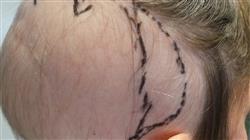
With a syllabus tailored to current neuropsychological challenges, you will be prepared to excel with preparation protocols for managing critical patient situations”
Master's Degree in Neuro-Oncology
At TECH Global University, our main goal is to provide the best training available in the various areas of knowledge that govern society. To achieve this, we have designed the best Master's Degree in Neuro-Oncology from the world’s largest medical faculty. Our program features a sophisticated curriculum that will equip students with the necessary expertise to carry out diagnostic, surgical, and preventive processes with the highest quality standards. Throughout the postgraduate program, students will gain a global perspective, becoming familiar with all aspects of this discipline and learning the latest technological tools currently available.
Master's Degree in Neuro-Oncology 100% Online
Our Master's Degree in Neuro-Oncology boasts a highly skilled and experienced faculty in this branch of medicine. Under their guidance, students will gain proper qualification in key areas related to biology, brain tumor epidemiology, paraneoplastic syndromes, radiology implementation, and other topics of significant academic value. Additionally, throughout the program, students will become familiar with the ethical essence of informed consent, which elevates the quality of care and improves the patient relationship for better daily practice development.