
University certificate







The world's largest faculty of veterinary medicine”
Introduction to the Program
Un veterinario con una amplia cualificación en el tratamiento de las aves tendrá mayor éxito en su labor diaria”
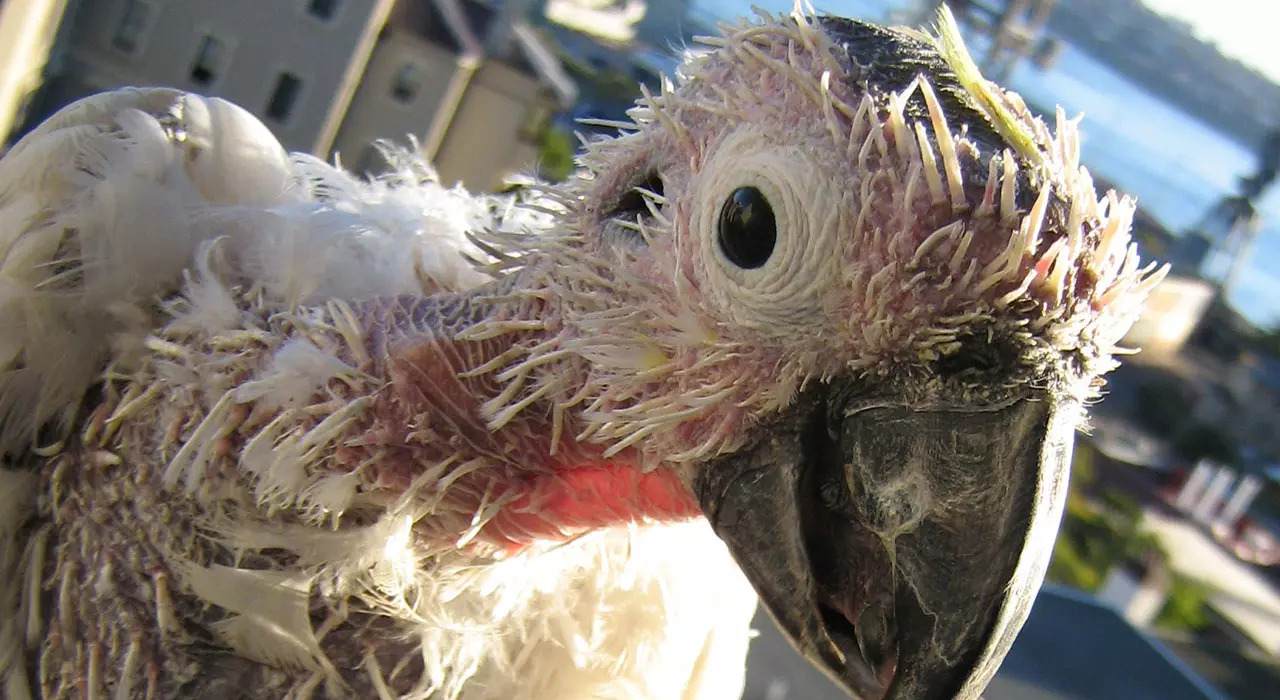
Esta Postgraduate diploma desarrolla un conocimiento especializado sobre las diferentes patologías que afectan a las aves, tales como las derivadas de un incorrecto manejo, la completa fisiopatogenia y los cambios producidos en el animal, que tantas muertes ocasiona y que se podrían evitar logrando el máximo conocimiento, o todas las patologías de la desnutrición o estado de depleción grave de las reservas de energía, debido a la ausencia de la ingestión de alimentos.
De esta manera, en esta capacitación se desarrollan pormenorizadamente los trastornos derivados de una incorrecta nutrición, crecimiento, mineralización, maduración y mantenimiento óseo, además de todas las patologías de los tejidos blandos derivadas de un incorrecto mantenimiento de las aves en cautividad, y también sus tratamientos y la prevención para evitar que ocurran.
Así mismo, el interés y la importancia de las enfermedades infecciosas y parasitarias en las aves silvestres se ha incrementado en los últimos años. Sin embargo, la bibliografía sobre bacteriología, parasitología, patología y zoología dedica poco espacio a la especialización en medicina de aves silvestres. El veterinario especializado en este tipo de aves debe estar cualificado para desarrollar todas las labores de rescate, atención clínica y recepción del animal, técnicas de diagnóstico e interpretación de resultados, así como de la aplicación de los tratamientos.
Por último, obtener conocimientos en farmacología también es importante para los veterinarios, por lo que este programa incorpora aspectos de estadística, bioquímica, biología, patología y medicina.
En definitiva, esta capacitación proporciona al alumno herramientas y habilidades específicas para que desarrolle con éxito su actividad profesional en el amplio entorno de la medicina y cirugía de aves. Trabaja competencias clave como el conocimiento de la realidad y práctica diaria del profesional veterinario, y desarrolla la responsabilidad en el seguimiento y supervisión de su trabajo, así como habilidades de comunicación dentro del imprescindible trabajo en equipo.
Además, al tratarse de una Postgraduate diploma online, el alumno no está condicionado por horarios fijos ni necesidad de trasladarse a otro lugar físico, sino que puede acceder a los contenidos en cualquier momento del día, equilibrando su vida laboral o personal con la académica.
No dejes pasar la ocasión de realizar con nosotros esta Postgraduate diploma. Es la oportunidad perfecta para avanzar en tu carrera”
Esta Postgraduate diploma en Avian Pathologies and Treatments contiene el programa educativo más completo y actualizado del mercado. Las características más destacadas de la capacitación son:
- El desarrollo de casos prácticos presentados por expertos en medicina de aves
- Los contenidos gráficos, esquemáticos y eminentemente prácticos con los que están concebidos recogen una información científica y práctica sobre aquellas disciplinas indispensables para el ejercicio profesional
- Las novedades sobre la detección de Avian Pathologies and Treatments
- Los ejercicios prácticos donde realizar el proceso de autoevaluación para mejorar el aprendizaje
- Su especial hincapié en metodologías innovadoras en medicina de aves
- Las lecciones teóricas, preguntas al experto, foros de discusión de temas controvertidos y trabajos de reflexión individual
- La disponibilidad de acceso a los contenidos desde cualquier dispositivo fijo o portátil con conexión a internet
Esta Postgraduate diploma es la mejor inversión que puedes hacer en la selección de un programa de actualización para poner al día tus conocimientos en la materia”
Incluye en su cuadro docente a profesionales pertenecientes al ámbito veterinario, que vierten en esta capacitación la experiencia de su trabajo, además de reconocidos especialistas de sociedades de referencia y universidades de prestigio.
Su contenido multimedia, elaborado con la última tecnología educativa, permitirá al profesional un aprendizaje situado y contextual, es decir, un entorno simulado que proporcionará una capacitación inmersiva programada para entrenarse ante situaciones reales.
El diseño de este programa se centra en el Aprendizaje Basado en Problemas, mediante el cual el especialista deberá tratar de resolver las distintas situaciones de práctica profesional que se le planteen a lo largo de la Postgraduate diploma. Para ello, el profesional contará con la ayuda de un novedoso sistema de vídeo interactivo realizado por reconocidos expertos en Avian Pathologies and Treatments, y con gran experiencia.
Esta capacitación cuenta con el mejor material didáctico, lo que te permitirá un estudio contextual que te facilitará el aprendizaje”

Esta Postgraduate diploma 100% online te permitirá compaginar tus estudios con tu labor profesional a la vez que aumentas tus conocimientos en este ámbito”
Syllabus
The content structure has been designed by the best professionals in the Avian Medicine Surgery area, with extensive experience and recognized prestige in the profession, backed by the volume of cases reviewed, studied, and diagnosed, and with extensive knowledge of new technologies applied to veterinary.

We have the most complete and up-to-date academic program in the market. We strive for excellence and for you to achieve it too"
Module 1. Management-Related Pathologies
1.1. Most Common Pathologies
1.1.1. Paresis by Capture: Cause of Mortality in Birds
1.1.1.1. Affected Species and Characteristic Symptomatology
1.1.1.2. Physiopathogenesis
1.1.1.3. Differential Diagnosis
1.1.1.4. Treatment and Prevention
1.1.2. Lead Poisoning
1.1.2.1. Diagnosis
1.1.2.2. Treatment: Primary, Chelating and Supportive
1.2. Other Intoxications
1.2.1. Zinc Poisoning
1.2.2. Diagnosis
1.2.2.1. Treatment
1.2.2.2. Primary Treatment
1.2.2.3. Chelating Treatment
1.2.2.4. Supportive Treatment
1.2.3. Ammonium Chloride Poisoning in Falconiformes
1.2.3.1. Clinical Signs
1.2.3.2. Pathological Changes
1.2.3.3. Physiological and Pathological Considerations
1.2.4. Copper Poisoning
1.2.4.1. Diagnosis
1.2.4.2. Treatment
1.2.4.2.1. Chelating Treatment
1.2.4.2.2. Supportive Treatment
1.3. Pathologies Derived from Poor Nutrition
1.3.1. Metabolic Osteopathies: Bone Lesions
1.3.2. Most Common Injuries Causes and Types
1.3.3. Symptomatology and Susceptible Species
1.3.4. Diagnoses and Treatments
1.3.5. Long Bone Deformities: Twisting and Flexing
1.3.5.1. Describing Pathology Type
1.3.5.2. Clinical Signs in Birds
1.3.5.3. Treatment and Prevention
1.3.6. Bone Alterations in More Distal Bones: Deformation
1.3.6.1. Slipped Tendon
1.3.6.2. Angel Wing
1.3.6.3. Curled Fingers
1.3.7. Starvation-Induced Cachexia
1.3.7.1. Definition and Etiology: Symptoms
1.3.7.2. Necropsy Findings
1.3.7.3. Treatment and Prevention
1.3.8. Behavioral Osteodystrophy
1.4. Oral Cavity Disorders
1.4.1. Beak Pathologies
1.4.2. The Oral Cavity and Oropharynx: The Tongue and Salivary Glands
1.4.2.1. Hypovitaminosis A
1.4.2.2. Trauma
1.4.2.3. Bleeding
1.4.2.4. Neoplasms
1.4.2.5. Halitosis
1.4.3. Infectious Diseases in Birds
1.4.3.1. Mucosal Necrosis
1.4.3.2. Fowl Pox
1.4.3.3. Anatidae Herpesvirus (Duck Viral Enteritis or Duck Plague)
1.4.3.4. Candidiasis (Candida Albicans Infection)
1.5. Esophagus and Gullet Pathologies
1.5.1. Esophagitis, Ingluvitis: Esophageal and/or Ingluvial Impaction
1.5.2. Esophagus and/or Crop Infestation by Capillaria Contorta and Other Capillaria spp
1.5.3. Candidiasis and Trichomoniasis
1.5.3.1. Esophageal Ingluvial
1.5.4. Ingluvial Pathologies
1.5.4.1. Calculations and Stasis
1.5.5. Crop Pathologies
1.5.5.1. "Sour Crop Syndrome"
1.5.5.2. Hanging Crop
1.5.5.3. Content Regurgitation
1.5.6. Common Neoplasms
1.6. Proventriculus Pathologies
1.6.1. Proventricular Dilatation Disease in Psittaciformes
1.6.2. Proventricular and Gizzard Impaction
1.6.3. Candidiasis (Candida Albicans Infection)
1.6.4. Other Pathologies
1.6.4.1. Atony
1.6.4.2. Hypertrophy of Unknown Etiology
1.6.4.3. Proventriculitis
1.6.4.4. Presence of Foreign Bodies
1.7. Gizzard or Ventricle Pathologies: Glandular Stomach
1.7.1. Proventricular Dilatation Disease
1.7.2. Gizzard Ulcerations
1.7.3. Stomach Nematode Infestation
1.7.4. Neoplasms
1.7.5. Other Pathologies
1.7.5.1. Muscular Atrophy and Traumatic Ventriculitis
1.8. Intestinal Pathologies
1.8.1. Malabsorption Syndrome
1.8.2. Non-Specific Enteropathies
1.8.2.1. Diahrrea in Birds
1.8.3. Lower Intestinal Tract Alterations
1.8.3.1. Colorectal Impactation
1.8.3.2. Rectal Prolapse
1.8.3.2.1. Intestinal Overexertion
1.8.4. Most Common Neoplasms
1.8.5. The Cloaca
1.8.5.1. Chloacitis: "Gonorrheal Discharge"
1.8.5.2. Prolapses
1.8.5.3. Most Common Neoplasms
1.9. Pathologies of the Liver
1.9.1. Lipidosis
1.9.1.1. Fatty Infiltration or Fatty Degeneration
1.9.2. Hemochromatosis
1.9.2.1. Iron Storage in Avian Organisms
1.9.3. Visceral Gout
1.9.4. Amilodosis
1.9.5. Most Common Neoplasms
1.9.6. Other Pathologies
1.9.6.1. Toxic Hepatitis and Diabetes Mellitus
1.10. Endocrine Disorders
1.10.1. Thyroid Glands
1.10.2. Parathyroid Glands
1.10.3. Adrenal Glands
1.10.4. Ultimobranchial glands
1.10.4.1. Thoracic Localization
1.10.5. Hypophysis: Avian Brains
1.10.6. Pancreas: Endocrine and Exocrine Function
1.10.6.1. Pancreatitis
1.10.6.2. Acute Pancreatic Necrosis
1.10.6.3. Most Common Neoplasms
Module 2. Avian Patient Diseases
2.1. Viral Diseases
2.1.1. Viral Diseases
2.1.2. Newcastle Disease (Paramyxoviridae Family)
2.1.2.1. Etiology
2.1.2.2. Serotype Classification
2.1.2.3. Clinical and Physiopathogenesis Characteristics
2.1.2.4. Diagnostic and Treatment Techniques
2.1.3. Fowl Pox (Poxviridae Family Virus)
2.1.3.1. Serotypes Detected in Birds
2.1.3.2. Clinical Signs in Patients
2.1.3.3. Diagnosis and Treatment
2.2. Other Viral Infections of Clinical Interest
2.2.1. Influenza Virus in Birds (Orthomyxoviridae Family)
2.2.1.1. Disease Epizootiology
2.2.1.2. Clinical Signs in Birds
2.2.1.3. Diagnosis
2.2.1.4. Prevention and Control
2.2.2. Herpesvirus Infections
2.2.2.1. Etiology
2.2.2.2. Marek's Disease
2.2.2.2.1. Polyneuritis Paralysis
2.2.2.3. Duck Plague
2.2.2.3.1. Duck Viral Enteritis
2.2.2.4. Avian Infectious Laryngotracheitis
2.2.2.5. Herpes
2.2.3. Other Viral Diseases
2.3. Most Common Bacterial Diseases in Clinics
2.3.1. Pasteurellosis: Cholera
2.3.1.1. History: Etiological Agent and Disease Transmission
2.3.1.2. Susceptible Species and Symptoms
2.3.1.3. Diagnosis
2.3.1.4. Treatment Immunity
2.3.2. Chlamydiosis: Ornithosis-Psittacosis
2.3.2.1. Causes and Most Susceptible Species
2.3.2.2. Effective Diagnosis
2.3.2.3. Treatment and Prevention
2.3.3. Salmonellosis
2.3.3.1. Definition
2.3.3.2. Etiological Agent
2.3.3.3. Distribution
2.3.3.4. Susceptible Species
2.3.3.5. Transmission
2.3.3.6. Diagnosis
2.3.3.7. Treatment and Prevention
2.4. Less Common Bacterial Diseases in Clinics
2.4.1. Avian Tuberculosis: Mycobacterium Spp
2.4.1.1. Causes and Most Susceptible Species
2.4.1.2. Effective Diagnosis
2.4.1.3. Treatment and Prevention
2.4.2. Pseudotuberculosis (Yersiniosis)
2.4.2.1. Causes and Most Susceptible Species
2.4.2.2. Effective Diagnosis
2.4.2.3. Treatment and Prevention
2.4.3. Escherichia Coli Infections
2.4.3.1. Definition
2.4.3.2. Etiological Agent
2.4.3.3. Distribution
2.4.3.4. Susceptible Species
2.4.3.5. Transmission
2.4.3.6. Diagnosis
2.4.3.7. Treatment and Prevention
2.5. Other Bacterial Diseases in Avian Patients
2.5.1. Botulism
2.5.1.1. History and Spread
2.5.1.2. Transmission
2.5.1.2.1. Clostridium Botulinum Bacilli
2.5.1.3. Clinical Symptoms and Lesions
2.5.1.4. Diagnosis and Treatment
2.5.2. The Red Disease: Erysipelothrix Rhusiopathiae
2.5.2.1. Etiology and Causative Agent Transmission: Wild Birds
2.5.2.2. Effective Detection
2.5.2.2.1. Symptoms and Lesions
2.5.2.3. Diagnosis and Treatment
2.5.3. Listeriosis: Listeria Monocytogenes
2.5.3.1. History: Etiological Agent and Disease Transmission
2.5.3.2. Symptoms Detected in Birds
2.5.3.3. Effective Diagnosis and Treatment
2.6. Fungal Diseases
2.6.1. Aspergillosis
2.6.1.1. Relevant Disease Characteristics
2.6.1.2. Detected Clinical Signs in Patients
2.6.1.3. Effective Diagnostic Techniques
2.6.1.4. Treatment, Prevention and Prophylaxis
2.6.2. Candidiasis
2.6.2.1. Candida Albicans Clinical Signs in Avian patients
2.6.2.2. Laboratory Diagnostic Techniques
2.6.2.3. Treatment and Pathology Control
2.6.3. Dermatophytosis, Ringworm
2.6.3.1. Predisposing Factors and Types of Birds Affected
2.6.3.2. Most Common Clinical Signs
2.6.3.3. Diagnosis and Control
2.7. Ectoparasites
2.7.1. Diptera
2.7.1.1. Flies and Mosquitos
2.7.2. Fleas (Siphonaptera)
2.7.3. Lice (Phthiraptera-Mallophaga)
2.7.4. Bedbugs (Hemiptera-Cimicidae)
2.7.4.1. Hematophagous Ectoparasites
2.7.5. Mites (Acari)
2.7.5.1. Most Common Ectoparasites
2.7.6. Ticks (Ixodide)
2.7.6.1. Macroscopic Parasites
2.7.7. Beetles (Coleoptera)
2.7.7.1. Disease Vectors
2.8. Performing Coprological Analysis in Birds
2.8.1. Most Prominent Coprological Techniques
2.8.2. Trematodes
2.8.2.1. Staves
2.8.3. Cestodes
2.8.3.1. Tapeworms
2.8.4. Nematodes
2.8.4.1. Special Nematodes Locations and Pathologies
2.9. Protozoa: Single-Cell Microorganisms
2.9.1. Coccidiosis in Anseriformes, Galliformes and Passeriformes
2.9.1.1. Eimeria and Isospora Species
2.9.1.2. Caryospora Species
2.9.1.3. Other Coccidial Species in Birds
2.9.2. Trichomoniasis: Trichomonas Spp
2.9.3. Other Protozoa
2.9.3.1. Giardia, Hexamita and Histomonas
2.10. Hemoparasites
2.10.1. Microfilariae
2.10.2. Plasmodium Species
2.10.3. Haemoproteus Species
2.10.4. Leucocytozoon Species
2.10.5. Trypanosomiasis
2.10.6. Hepatozoon Species
2.10.7. Babesia Species
2.10.7.1. Avian Piroplasmas
2.10.8. Other Species
Module 3. Pathologies and Medical Treatments
3.1. Nutritional Treatments
3.1.1. Fluid Therapy: Clinical Application
3.1.1.1. Types of Fluid Therapy
3.1.1.2. Advantages and Disadvantages
3.1.2. Feeding Tube and Nutritional Support
3.1.2.1. Nutritional Needs
3.1.2.2. Enteric Nutrition Formulas
3.2. External Treatment
3.2.1. Claw/Nail and Beak Trimming
3.2.2. Feather Repair
3.2.2.1. Materials Instruments Used in Grafting
3.2.2.2. Bent Feather Repair
3.2.2.3. Partial Feather Substitution
3.2.2.4. Total Feather Substitution
3.2.3. Wing Trimming and Cutting
3.2.4. Wound Treatment Management Objectives
3.3.4.1. Bandage Care
3.3.4.2. Dressing Removal
3.3. Trauma Treatments
3.3.1. Bandages and Dressings
3.3.1.1. Bandage and Dressing Functions
3.3.1.1.1. Protection
3.3.1.1.2. Pressure
3.3.1.1.3. Support
3.3.1.1.4. Absorption, Moist Environment, Holding in Place
3.3.1.1.5. Comfort
3.3.1.1.6. Other Ideal Dressing Characteristics
3.3.1.2. Selection Process
3.3.1.3. Injury Evaluation
3.3.2. Types of Bandages Most Used in Orthopedic Surgery
3.3.2.1. Eight-Shaped Bandage
3.3.2.2. Eight-Shaped Bandage to the Body
3.3.2.3. Wing Bandage with Two Circular Bandages around the Body
3.3.2.4. Robert Jones Bandage
3.3.2.5. Ball Bandage
3.3.3. Protective Leg Casts
3.3.4. External Splints
3.3.5. Elizabethan Collars
3.4. Administering Drugs in Birds
3.4.1. Relevant Aspects in Drug Administration
3.4.2. Use Routes
3.4.3. Advantages and Disadvantages
3.4.4. Metabolic Drug Adjustment
3.5. Most Used Antibiotics in Avian Patients
3.5.1. Amikacin
3.5.1.1. Species Indicated and Dosage
3.5.2. Ceftazidime
3.5.2.1. Species Indicated and Dosage
3.5.3. Doxycycline
3.5.3.1. Species Indicated and Effective Dosage
3.5.4. Enrofloxacin and Marbofloxacin
3.5.4.1. Quinolones and Current Uses
3.5.5. Metronidazole
3.5.5.1. Species Indicated and Effective Dosage
3.5.6. Trimethoprim/Sulfamethoxazole
3.5.6.1. Adequate Dosage
3.5.7. Other Antibiotics Used
3.6. Most Used Antifungal Drugs in Avian Patients
3.6.1. Amphotericin B
3.6.1.1. Target Species and Dosage
3.6.2. Fluconazole
3.6.2.1. Dosage
3.6.3. Itraconazole
3.6.3.1. Dosage
3.6.4. Ketoconazole: Fungistatic
3.6.4.1. Dosage
3.6.5. Nystatin: Antifungal Macrolide
3.6.5.1. Target Species and Dosage
3.6.6. Other Antifungal Drugs of Clinical Interest
3.7. Most Used Antiparasitics in Avian Patients
3.7.1. Ivermectin
3.7.1.1. Target Species and Dosage
3.7.2. Albendazole
3.7.2.1. Target Species and Dosage
3.7.3. Fenbendazole
3.7.3.1. Target Species and Dosage
3.7.4. Levamisole
3.7.4.1. Species Type and Dosage
3.7.5. Selamectin
3.7.5.1. Species Type and Dosage
3.7.6. Toltrazuril
3.7.6.1. Dosage and Target Species
3.7.7. Other Antiparasitics of Clinical Interest
3.8. Other Drugs Used in Birds
3.8.1. Most Used Antivirals in Avian Patients
3.8.1.1. Aciclovir
3.8.1.1.1. Posology, Target Species and Dosage
3.8.1.2. Other Antivirals of Clinical Interest
3.8.2. Hormones Used in Birds
3.8.2.1. Adrenocorticotropic Hormone: ACTH
3.8.2.1.1. Bird Type and Dosage
3.8.2.2. Cabergoline
3.8.2.2.1. Effective Dosage
3.8.2.3. Oxytocin
3.8.2.3.1. Effective Dosage
3.8.2.4. Other Hormones of Clinical Interest
3.9. Medications Used for Nebulization
3.9.1. Nebulizer Use
3.9.2. F10 Use
3.9.3. Gentamicin
3.9.4. Amikacin
3.9.4.1. Dosage and Use
3.9.5. Amphotericin B
3.9.5.1. Dosage and Use
3.9.6. Clotrimazole
3.9.6.1. Dosage and Use
3.9.7. Other Medications Used for Nebulization
3.10. Ophthalmological Drops Used in Birds
3.10.1. Ciprofloxacin
3.10.2. Chloramphenicol
3.10.3. Tobramycin
3.10.4. Diclofenac
3.10.5. Prednisone

If your goal is to become a healthcare professional capable of communicating fluently in English, this program is for you"
Postgraduate Diploma in Poultry Pathologies and Treatments
The prestigious Faculty of Veterinary Medicine of TECH Global University invites you to participate in the Postgraduate Diploma in Poultry Pathologies and Treatments, a unique opportunity that will allow you to acquire specialized knowledge from the comfort of your home. Have you ever wanted to understand in depth the diseases that affect birds and be able to provide them with the necessary care for their welfare? With this advanced specialization program, you'll have the opportunity to do just that. Upon completion of the Postgraduate Certificate, you will develop solid skills in the diagnosis and treatment of avian pathologies, positioning you as a highly trained expert in this specialized field of veterinary medicine. Our teaching team is composed of recognized professionals in the field of aviculture and veterinary medicine. Through master classes, real case studies and practical activities, they will guide you on your way to academic excellence and mastery of the most advanced techniques for poultry care. During the Postgraduate Certificate, we will cover a wide range of topics, from avian physiology to the main diseases that affect these species. You will learn to identify symptoms, make accurate diagnoses, apply effective treatments and develop prevention strategies.
Get ready to fly high in the fascinating world of avian veterinary medicine.
Upon completion of the program, you will receive a certificate accredited by TECH Global University, endorsing your knowledge and highlighting your valuable commitment to avian care. This internationally recognized document will open doors in your professional career, allowing you to access job opportunities in specialized veterinary clinics, research centers, zoos and conservation organizations. Studying at TECH Global University is an incredible opportunity for those seeking a quality, cutting-edge education. Our commitment to academic excellence, innovation and the comprehensive specialization of our students positions us as a leading institution in the educational field. Don't miss the opportunity to turn your passion for birds into a rewarding and fulfilling career by enrolling in the Postgraduate Diploma in Avian Pathology and Treatment at TECH Global University!