
University certificate







The world's largest faculty of veterinary medicine”
Introduction to the Program
Especialízate con nosotros y da un impulso a tu profesión mejorando la atención en tu consulta de los pacientes aviares”
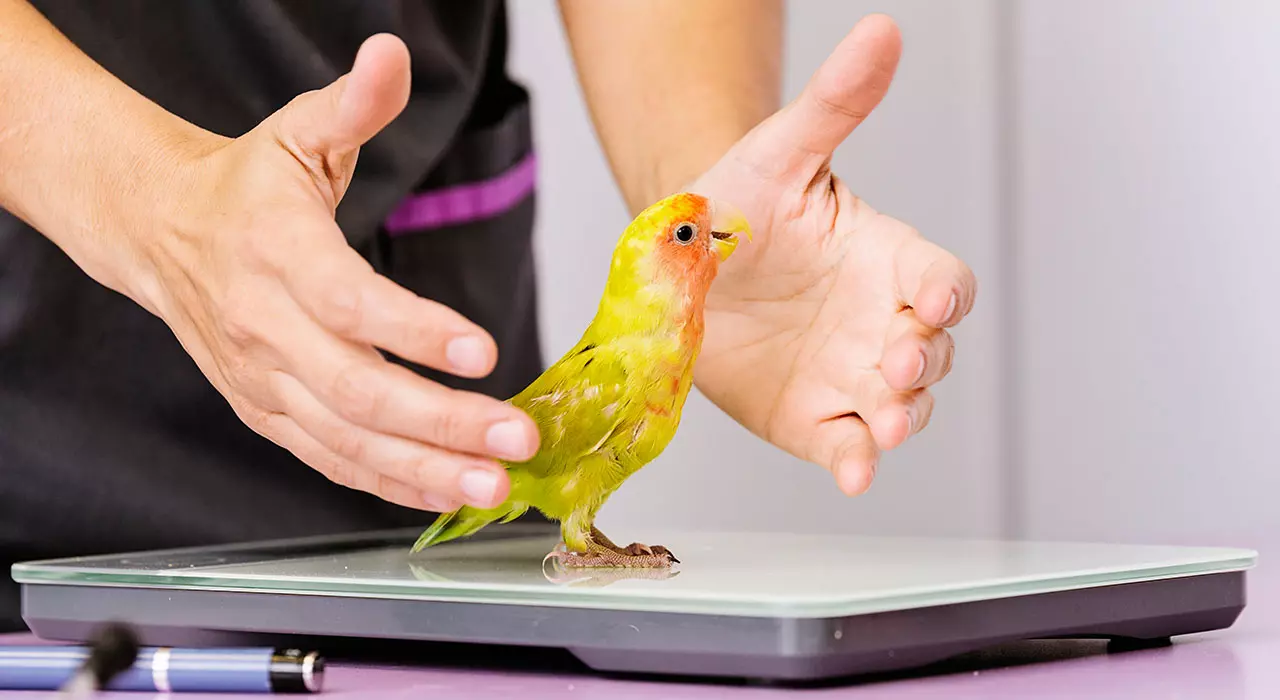
Uno de los principales atractivos de trabajar con las aves es la fascinante diversidad de pacientes que se tratan y el desafío que presentan sus patologías para los veterinarios. Sin embargo, antes de tratar a estas especies únicas, se necesita un conocimiento especializado en lo esencial: la estructura interna y función de las aves.
La capacidad para volar ha hecho posible que las aves ocupen una amplia diversidad de hábitats, desarrollando, en consecuencia, numerosas adaptaciones para conseguir su alimento. Esta característica ha dado como resultado la existencia de casi 10.000 especies en la clasificación taxonómica de las aves.
La exploración física es una parte fundamental del diagnóstico de los trastornos de las aves e implica manejar y sujetar al ave con el fin de poder realizar las investigaciones necesarias para ayudarle. Pero antes de coger un ave para manipularla, hay que tener en cuenta unos requisitos previos muy importantes, para lo que es preciso obtener la información previa del paciente mediante una anamnesis tan completa como sea posible.
En esta Postgraduate diploma se desarrollan todos los requisitos necesarios para lograr el adecuado diagnóstico, comenzando por los primeros pasos hasta llegar al objetivo final, el tratamiento adecuado del paciente aviar. Además, aporta todos los requisitos necesarios para proporcionar un hogar adecuado a las aves mantenidas en cautividad.
Por otro lado, es importante tener en cuenta que las aves son susceptibles a una gran variedad de enfermedades. Por lo que este programa desarrolla un conocimiento especializado sobre las diferentes patologías, tales como las patologías derivadas de un incorrecto manejo, como la paresia por captura, un síndrome causado por el estrés producido durante la captura de las aves salvajes; estudia la completa fisiopatogenia y los cambios producidos en el animal, que tantas muertes ocasiona y que se podría evitar logrando el máximo conocimiento; o los problemas provocados por una incorrecta nutrición, entre otros aspectos.
En definitiva, esta capacitación proporciona al alumno herramientas y habilidades específicas para que desarrolle con éxito su actividad profesional en el amplio entorno de la medicina y cirugía de aves. Trabaja competencias clave como el conocimiento de la realidad y práctica diaria del profesional veterinario, y desarrolla la responsabilidad en el seguimiento y supervisión de su trabajo, así como habilidades de comunicación dentro del imprescindible trabajo en equipo.
Además, al tratarse de un programa online, el alumno no está condicionado por horarios fijos ni necesidad de trasladarse a otro lugar físico, sino que puede acceder a los contenidos en cualquier momento del día, equilibrando su vida laboral o personal con la académica.
No dejes pasar la ocasión de realizar con nosotros esta Postgraduate diploma. Es la oportunidad perfecta para avanzar en tu carrera”
Esta Postgraduate diploma en Daily Consultation Knowledge contiene el programa educativo más completo y actualizado del mercado. Las características más destacadas son:
- El desarrollo de casos prácticos presentados por expertos en medicina de aves
- Los contenidos gráficos, esquemáticos y eminentemente prácticos con los que están concebidos, recogen una información científica y práctica sobre aquellas disciplinas indispensables para el ejercicio profesional
- Las novedades sobre la atención en la consulta veterinaria
- Los ejercicios prácticos donde se realiza el proceso de autoevaluación para mejorar el aprendizaje
- Su especial hincapié en metodologías innovadoras en medicina de aves
- Las lecciones teóricas, preguntas al experto, foros de discusión de temas controvertidos y trabajos de reflexión individual
- La disponibilidad de acceso a los contenidos desde cualquier dispositivo fijo o portátil con conexión a internet
Esta Postgraduate diploma es la mejor inversión que puedes hacer en la selección de un programa de actualización para poner al día tus conocimientos en la materia”
Incluye en su cuadro docente a profesionales pertenecientes al ámbito veterinario, que vierten en esta capacitación la experiencia de su trabajo, además de reconocidos especialistas de sociedades de referencia y universidades de prestigio.
Su contenido multimedia, elaborado con la última tecnología educativa, permitirá al profesional un aprendizaje situado y contextual, es decir, un entorno simulado que proporcionará una especialización inmersiva programada para entrenarse ante situaciones reales.
El diseño de este programa se centra en el Aprendizaje Basado en Problemas, mediante el cual el especialista deberá tratar de resolver las distintas situaciones de práctica profesional que se le planteen a lo largo del programa. Para ello, el profesional contará con la ayuda de un novedoso sistema de vídeo interactivo realizado por reconocidos expertos en consultas veterinarias de aves, y con gran experiencia.
Esta capacitación cuenta con el mejor material didáctico, lo que te permitirá un estudio contextual que te facilitará el aprendizaje”
Esta Postgraduate diploma 100% online te permitirá compaginar tus estudios con tu labor profesional a la vez que aumentas tus conocimientos en este ámbito”
Syllabus
The content structure has been designed by the best professionals in the Avian Medicine Surgery area, with extensive experience and recognized prestige in the profession, backed by the volume of cases reviewed, studied, and diagnosed, and with extensive knowledge of new technologies applied to veterinary.

We have the most complete and up-to-date academic program in the market. We strive for excellence and for you to achieve it too"
Module 1. Bird Taxonomy, Anatomy and Physiology
1.1. Taxonomic Classification of Psittaciformes
1.1.1. Taxonomic Classification
1.1.2. Global Spread
1.1.3. Anatomic Differences
1.2. Taxonomic Classification of Passerine Birds: Wild Birds
1.2.1. Taxonomic Classification
1.2.2. Global Spread
1.2.3. Anatomic Differences
1.3. Taxonomic Classification of Falconiformes and Other Orders
1.3.1. Taxonomic Classification
1.3.2. Global Spread
1.3.3. Anatomic Differences
1.4. The Skeletal System
1.4.1. Bone Ossification
1.4.2. The Skull
1.4.2.1. The Premaxillary Area
1.4.2.2. The Jaw
1.4.3. The Axillary Skeleton: The Epiaxial Hypoaxial Muscles
1.4.3.1. Cervical Vertebrae
1.4.3.2. Thoracic Vertebrae
1.4.3.3. The Synsacrum: Special Anatomy
1.4.3.4. Caudal Vertebrae
1.4.3.5. Sternum
1.4.3.6. Wings: Complete Anatomy and Flight Muscles
1.4.4. Pelvic Limbs
1.4.4.1. Femur and Tibiotarsus
1.4.4.2. Phalanges: Finger Placement in Different Species
1.5. The Circulatory System
1.5.1. Arterial Anatomy
1.5.2. Venous Return
1.5.3. The Renal Carrier System
1.5.4. Blood Composition: Nucleated Red Blood Cells
1.6. The Respiratory System
1.6.1. The Nasal Cavity
1.6.2. Larynx and Trachea
1.6.3. The Syrinx: The Phonatory Organ in Birds
1.6.4. The Lungs
1.6.4.1. Gas Exchange
1.6.5. Air Sacs
1.7. The Digestive System
1.7.1. Beaks: Substitute for Lips and Teeth in Mammals
1.7.1.1. Wax Localization
1.7.1.2. Beak Functions
1.7.2. The Oropharynx
1.7.2.1. Solid Food Intake
1.7.2.2. Liquid Foods
1.7.3. The Esophagus
1.7.4. The Stomach
1.7.4.1. Proventricles
1.7.4.2. Ventricles
1.7.5. The Liver
1.7.6. The Pancreas
1.7.7. The Intestinal Package
1.8. The Urinary and Reproductive Systems
1.8.1. The Kidneys
1.8.2. The Ureters
1.8.3. Particularities in the Urinary System: The Salt Gland
1.8.4. Bird Sexing
1.8.5. Male Reproductive System
1.8.6. The Female Reproductive System
1.9. The Nervous System
1.9.1. Sense Organs
1.9.2. Sight: Avian Eye Anatomy
1.9.3. Hearing
1.9.4. Smell and Taste
1.9.5. Touch: The Tegument
1.10. Anatomical and Physiological Particularities in Birds
1.10.1. The Thymus Gland
1.10.2. The Fabricious Bursa
1.10.3. The Spleen
1.10.4. The Pituitary Gland Hypophysis
1.10.5. Thyroid and Parathyroid Gland
1.10.6. Other Particularities
Module 2. Clinical Criteria for Avian Patients
2.1. Bird Maintenance
2.1.1. Special Furniture: Types of Cages
2.1.2. Stress
2.1.3. Physical exercise
2.1.4. Bird Maintenance in Captivity
2.1.5. Ultraviolet Light
2.1.6. Feathers Coloring
2.1.7. Water Availability
2.1.8. Medication Added to the Water
2.1.9. Water Baths and Sprays
2.2. Capture: Proper Physical Examination
2.2.1. Physical Capture
2.2.1.1. Capture Techniques
2.2.1.2. Related Injuries
2.2.2. Chemical Capture
2.2.2.1. Capture Techniques
2.2.2.2. Drugs Used
2.2.3. Bird Containment
2.3. Clinical Management and Preventive Medicine
2.3.1. Complete and Orderly Physical Examination
2.3.2. Vaccination
2.3.3. Deworming
2.3.4. Sterilization
2.4. Sampling and Drug Administration
2.4.1. Intravenous Route
2.4.2. Intraosseous Route
2.4.3. Oral Posology
2.4.4. Intramuscular Route
2.4.5. Subcutaneous Route
2.4.6. Topical Route
2.4.7. Other Entry Routes in Avian Patients
2.5. Poultry as Patients
2.5.1. The Challenges of Keeping Hens as Pets
2.5.2. Hens as Patients
2.5.3. The Most Common Chicken and Hen Races
2.6. Nutritional Requirements: Diet
2.6.1. Feeding Guidelines
2.6.2. Nutritional Composition Feed
2.6.2.1. Carbohydrates
2.6.2.2. Proteins
2.6.2.3. Fats
2.6.2.4. Vitamins
2.6.2.4.1. Liposoluble Vitamins
2.6.2.4.2. Hydrosoluble Vitamins
2.6.2.4.3. Antivitamins
2.6.2.5. Minerals
2.7. Type of Nutrition in Psittacine Birds
2.7.1. Seed Mixture
2.7.2. Feed
2.7.2.1. Differences Between Granulated and Extruded
2.7.3. Fruits and Vegetables
2.7.4. Germinated Seeds
2.7.5. Cooked Legumes
2.7.6. Breeding Paste
2.7.6.1. Desired Undesired Effects
2.7.7. Other Products
2.7.8. Calculating Energy Needs
2.7.8.1. Basal Metabolic Rate (BMR)
2.7.8.2. Maintenance Energy Requirements (MER)
2.8. Generalized Diet for the Most Common Psittacines in Clinics
2.8.1. Australian Parakeet (Melopsittacus Undulattus)
2.8.2. Nymph, Cocotilla or Carolina (Nymphicus Hollandicus)
2.8.3. Lovebirds (Agapornis Spp)
2.8.4. African Grey Parrot, Yaco (Psithacus Erithacus)
2.9. Generalized Diet for the Least Common Psittacines in Clinics
2.9.1. Amazon Parrot (Amazona Sp)
2.9.2. Macaw (Ara Sp)
2.9.3. Cockatoo (Cacatua Sp)
2.9.4. Ecleptus Parrot (Ecleptus Roratus)
2.9.5. Loris
2.9.6. Psittacine Diet Conversion
2.10. Other Dietary Aspects
2.10.1. Diet in Passerine Birds
2.10.2. Diet in Other Birds
2.10.3. Diet in Hospitalized Patients
Module 3. Management-Related Pathologies
3.1. Most Common Pathologies
3.1.1. Paresis by Capture: Cause of Mortality in Birds
3.1.1.1. Affected Species and Characteristic Symptomatology
3.1.1.2. Physiopathogenesis
3.1.1.3. Differential Diagnosis
3.1.1.4. Treatment and Prevention
3.1.2. Lead Poisoning
3.1.2.1. Diagnosis
3.1.2.2. Treatment: Primary, Chelating and Supportive
3.2. Other Intoxications
3.2.1. Zinc Poisoning
3.2.2. Diagnosis
3.2.2.1. Treatment
3.2.2.2. Primary Treatment
3.2.2.3. Chelating Treatment
3.2.2.4. Supportive Treatment
3.2.3. Ammonium Chloride Poisoning in Falconiformes
3.2.3.1. Clinical Signs
3.2.3.2. Pathological Changes
3.2.3.3. Physiological and Pathological Considerations
3.2.4. Copper Poisoning
3.2.4.1. Diagnosis
3.2.4.2. Treatment
3.2.4.2.1. Chelating Treatment
3.2.4.2.2. Supportive Treatment
3.3. Pathologies Derived from Poor Nutrition
3.3.1. Metabolic Osteopathies: Bone Lesions
3.3.2. Most Common Injuries Causes and Types
3.3.3. Symptomatology and Susceptible Species
3.3.4. Diagnoses and Treatments
3.3.5. Long Bone Deformities: Twisting and Flexing
3.3.5.1. Describing Pathology Type
3.3.5.2. Clinical Signs in Birds
3.3.5.3. Treatment and Prevention
3.3.6. Bone Alterations in More Distal Bones: Deformation
3.3.6.1. Slipped Tendon
3.3.6.2. Angel Wing
3.3.6.3. Curled Fingers
3.3.7. Starvation-Induced Cachexia
3.3.7.1. Definition and Etiology: Symptoms
3.3.7.2. Necropsy Findings
3.3.7.3. Treatment and Prevention
3.3.8. Behavioral Osteodystrophy
3.4. Oral Cavity Disorders
3.4.1. Beak Pathologies
3.4.2. The Oral Cavity and Oropharynx: The Tongue and Salivary Glands
3.4.2.1. Hypovitaminosis A
3.4.2.2. Trauma
3.4.2.3. Bleeding
3.4.2.4. Neoplasms
3.4.2.5. Halitosis
3.4.3. Infectious Diseases in Birds
3.4.3.1. Mucosal Necrosis
3.4.3.2. Fowl Pox
3.4.3.3. Anatidae Herpesvirus (Duck Viral Enteritis or Duck Plague)
3.4.3.4. Candidiasis (Candida Albicans Infection)
3.5. Esophagus and Gullet Pathologies
3.5.1. Esophagitis, Ingluvitis: Esophageal and/or Ingluvial Impaction
3.5.2. Esophagus and/or Crop Infestation by Capillaria Contorta and Other Capillaria spp
3.5.3. Candidiasis and Trichomoniasis
3.5.3.1. Esophageal Ingluvial
3.5.4. Ingluvial Pathologies
3.5.4.1. Calculations and Stasis
3.5.5. Crop Pathologies
3.5.5.1. "Sour Crop Syndrome"
3.5.5.2. Hanging Crop
3.5.5.3. Content Regurgitation
3.5.6. Common Neoplasms
3.6. Proventriculus Pathologies
3.6.1. Proventricular Dilatation Disease in Psittaciformes
3.6.2. Proventricular and Gizzard Impaction
3.6.3. Candidiasis (Candida Albicans Infection)
3.6.4. Other Pathologies
3.6.4.1. Atony
3.6.4.2. Hypertrophy of Unknown Etiology
3.6.4.3. Proventriculitis
3.6.4.4. Presence of Foreign Bodies
3.7. Gizzard or Ventricle Pathologies: Glandular Stomach
3.7.1. Proventricular Dilatation Disease
3.7.2. Gizzard Ulcerations
3.7.3. Stomach Nematode Infestation
3.7.4. Neoplasms
3.7.5. Other Pathologies
3.7.5.1. Muscular Atrophy and Traumatic Ventriculitis
3.8. Intestinal Pathologies
3.8.1. Malabsorption Syndrome
3.8.2. Non-Specific Enteropathies
3.8.2.1. Diahrrea in Birds
3.8.3. Lower Intestinal Tract Alterations
3.8.3.1. Colorectal Impactation
3.8.3.2. Rectal Prolapse
3.8.3.2.1. Intestinal Overexertion
3.8.4. Most Common Neoplasms
3.8.5. The Cloaca
3.8.5.1. Chloacitis: "Gonorrheal Discharge"
3.8.5.2. Prolapses
3.8.5.3. Most Common Neoplasms
3.9. Pathologies of the Liver
3.9.1. Lipidosis
3.9.1.1. Fatty Infiltration or Fatty Degeneration
3.9.2. Hemochromatosis
3.9.2.1. Iron Storage in Avian Organisms
3.9.3. Visceral Gout
3.9.4. Amilodosis
3.9.5. Most Common Neoplasms
3.9.6. Other Pathologies
3.9.6.1. Toxic Hepatitis and Diabetes Mellitus
3.10. Endocrine Disorders
3.10.1. Thyroid Glands
3.10.2. Parathyroid Glands
3.10.3. Adrenal Glands
3.10.4. Ultimobranchial glands
3.10.4.1. Thoracic Localization
3.10.5. Hypophysis: Avian Brains
3.10.6. Pancreas: Endocrine and Exocrine Function
3.10.6.1. Pancreatitis
3.10.6.2. Acute Pancreatic Necrosis
3.10.6.3. Most Common Neoplasms

This training will allow you to seamlessly advance in your career"
Postgraduate Diploma in Everyday Consultation Skills
In an increasingly connected and constantly evolving world, it is essential to have skills that allow us to face daily challenges effectively. If you are looking to acquire the necessary tools to understand, analyze and take advantage of the avalanche of information that surrounds us, you've come to the right place. TECH Global University has the ideal program for you. The Postgraduate Diploma in Everyday Knowledge is an online Postgraduate Diploma of the highest level, which is presented as a unique qualification opportunity to take your skills to the next level. Here, you will explore best practices for effective queries and relevant results in your online searches. You will learn advanced search techniques that will help you filter and select the right information for each situation. From finding reliable sources to using search operators, you will master the skills necessary to obtain the most relevant and up-to-date data.
Get a program at the world's largest digital university
This Postgraduate Diploma is a proposal of voluminous, but dynamic content designed by TECH as a way to update your skills in the face of the new demands of the labor market. Within the respective training, we offer both online classes that you can manage under your own time availability, and a diverse agenda that will give you the skills in information management, learning to organize and structure your findings efficiently. You will discover tools and techniques to collect, synthesize and present information in a clear and concise manner, which will allow you to make informed decisions and communicate effectively in your personal and professional life. The curriculum will also address key topics such as assessing the veracity and quality of online information. You will learn to identify fake news, news bias and manipulation, strengthening your critical skills and your ability to discern reliable information from misleading information.