
University certificate







The world's largest faculty of education”
Introduction to the Program
Este Postgraduate certificate en Evaluación e Intervención en la Disfagia, generará una sensación de seguridad en el desempeño de tu profesión, que te ayudará a crecer personal y profesionalmente”
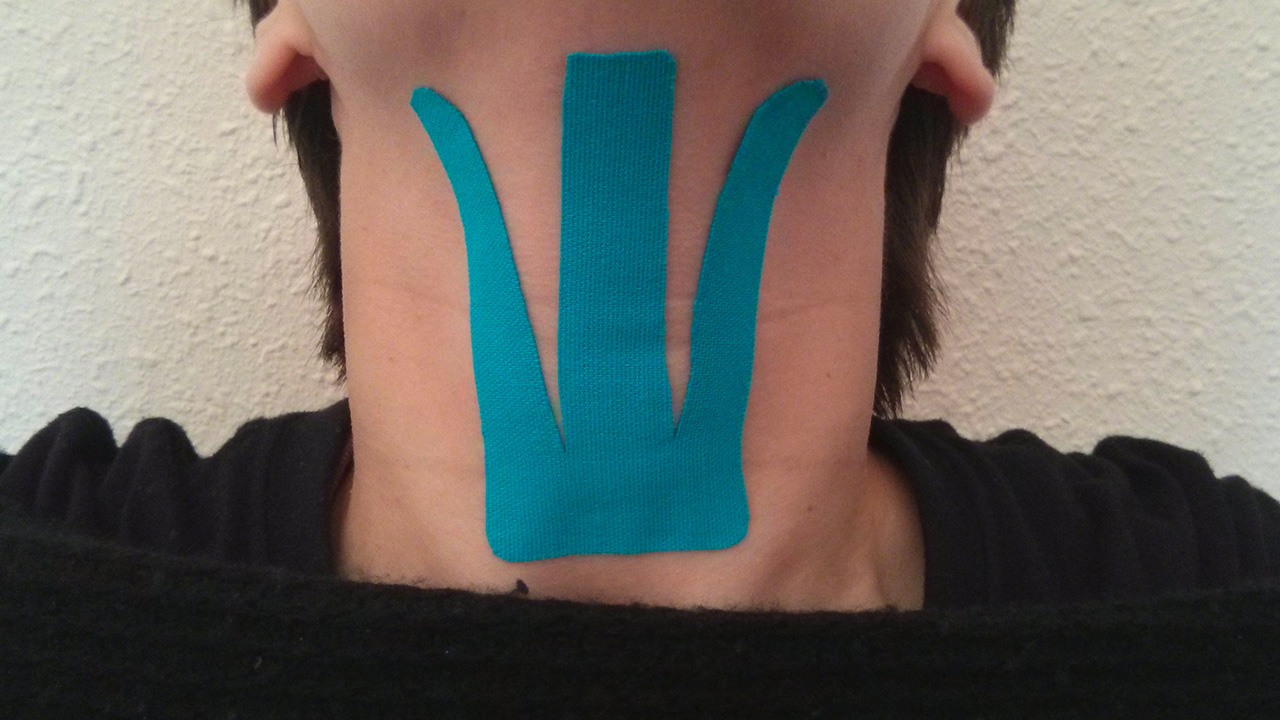
Comer debería ser un acto placentero y automático, pero para algunas personas no lo es como consecuencia de algún daño cerebral o de algún proceso degenerativo, o simplemente como producto del propio envejecimiento.
Cuenta con un Alto Nivel de Especialización en Rehabilitación Logopédica en Disfagia y en Disfonías unido a la creación de programas dirigidos de forma multidisciplinar. Ofreciendo gran diversidad de estrategias terapéuticas útiles y con capacidad de adaptación a numerosos equipos y entornos de trabajo (Sanitario, Clínico y Escolar).
La disfagia está presente en multitud de patologías clínicas y en un gran porcentaje de pacientes con trastorno o alteración neurológica, los cuales, son remitidos a rehabilitación logopédica de forma sistemática.
Nuestros alumnos aprenderán a cómo prevenir, evaluar, diagnosticar, reeducar, educar y rehabilitar el desequilibrio que pueda estar presente en el sistema orofaríngeo en los diferentes tramos de edad, aprendiendo a reconocer los factores de riesgo dentro de los diferentes campos de aplicación.
Actualiza tus conocimientos a través del programa en Evaluación e Intervención en la Disfagia.
Este Postgraduate certificate en Assessment and Intervention in Dysphagiacontiene el programa educativo más completo y actualizado del mercado. Las características más destacadas del Postgraduate certificate son:
- Desarrollo de más de 75 casos prácticos presentados por expertos en Assessment and Intervention in Dysphagia.
- Sus contenidos gráficos, esquemáticos y eminentemente prácticos con los que están concebidos, recogen una información científica y práctica sobre aquellas disciplinas indispensables para el ejercicio profesional.
- Novedades sobre la Assessment and Intervention in Dysphagia. Contiene ejercicios prácticos donde realizar el proceso de autoevaluación para mejorar el aprendizaje.
- Con especial hincapié en metodologías innovadoras en Assessment and Intervention in Dysphagia.
- Disponibilidad de los contenidos desde cualquier dispositivo fijo o portátil con conexión a internet.
Este Postgraduate certificate puede ser la mejor inversión que puedes hacer en la selección de un programa de actualización por dos motivos: además de poner al día tus conocimientos en Assessment and Intervention in Dysphagia, obtendrás un título de Postgraduate certificate por la mayor Universidad Digital del mundo, TECH”
Incluye en su cuadro docente profesionales pertenecientes al ámbito de Assessment and Intervention in Dysphagia, que vierten en esta formación la experiencia de su trabajo, además de reconocidos especialistas pertenecientes a sociedades de referencia y universidades de prestigio.
Gracias a su contenido multimedia elaborado con la última tecnología educativa, permitirán al profesional un aprendizaje situado y contextual, es decir, un entorno simulado que proporcionará un aprendizaje inmersivo programado para entrenarse ante situaciones reales.
El diseño de este programa está basado en el Aprendizaje Basado en Problemas, mediante el cual el educador deberá tratar de resolver las distintas situaciones de práctica profesional que se le planteen a lo largo del Postgraduate certificate. Para ello, el educador contará con la ayuda de un novedoso sistema de vídeo interactivo realizado por reconocidos expertos en el campo de Assessment and Intervention in Dysphagiay con gran experiencia docente.
Aumenta tu seguridad en la toma de decisiones actualizando tus conocimientos a través de este Postgraduate certificate”

Aprovecha la oportunidad para conocer los últimos avances en Assessment and Intervention in Dysphagiay mejorar la efectividad de tus tratamientos”
Why study at TECH?
TECH is the world’s largest online university. With an impressive catalog of more than 14,000 university programs available in 11 languages, it is positioned as a leader in employability, with a 99% job placement rate. In addition, it relies on an enormous faculty of more than 6,000 professors of the highest international renown.

Study at the world's largest online university and guarantee your professional success. The future starts at TECH”
The world’s best online university according to FORBES
The prestigious Forbes magazine, specialized in business and finance, has highlighted TECH as “the world's best online university” This is what they have recently stated in an article in their digital edition in which they echo the success story of this institution, “thanks to the academic offer it provides, the selection of its teaching staff, and an innovative learning method aimed at educating the professionals of the future”
A revolutionary study method, a cutting-edge faculty and a practical focus: the key to TECH's success.
The most complete study plans on the university scene
TECH offers the most complete study plans on the university scene, with syllabuses that cover fundamental concepts and, at the same time, the main scientific advances in their specific scientific areas. In addition, these programs are continuously being updated to guarantee students the academic vanguard and the most in-demand professional skills. In this way, the university's qualifications provide its graduates with a significant advantage to propel their careers to success.
TECH offers the most comprehensive and intensive study plans on the current university scene.
A world-class teaching staff
TECH's teaching staff is made up of more than 6,000 professors with the highest international recognition. Professors, researchers and top executives of multinational companies, including Isaiah Covington, performance coach of the Boston Celtics; Magda Romanska, principal investigator at Harvard MetaLAB; Ignacio Wistumba, chairman of the department of translational molecular pathology at MD Anderson Cancer Center; and D.W. Pine, creative director of TIME magazine, among others.
Internationally renowned experts, specialized in different branches of Health, Technology, Communication and Business, form part of the TECH faculty.
A unique learning method
TECH is the first university to use Relearning in all its programs. It is the best online learning methodology, accredited with international teaching quality certifications, provided by prestigious educational agencies. In addition, this disruptive educational model is complemented with the “Case Method”, thereby setting up a unique online teaching strategy. Innovative teaching resources are also implemented, including detailed videos, infographics and interactive summaries.
TECH combines Relearning and the Case Method in all its university programs to guarantee excellent theoretical and practical learning, studying whenever and wherever you want.
The world's largest online university
TECH is the world’s largest online university. We are the largest educational institution, with the best and widest online educational catalog, one hundred percent online and covering the vast majority of areas of knowledge. We offer a large selection of our own degrees and accredited online undergraduate and postgraduate degrees. In total, more than 14,000 university degrees, in eleven different languages, make us the largest educational largest in the world.
TECH has the world's most extensive catalog of academic and official programs, available in more than 11 languages.
Google Premier Partner
The American technology giant has awarded TECH the Google Google Premier Partner badge. This award, which is only available to 3% of the world's companies, highlights the efficient, flexible and tailored experience that this university provides to students. The recognition as a Google Premier Partner not only accredits the maximum rigor, performance and investment in TECH's digital infrastructures, but also places this university as one of the world's leading technology companies.
Google has positioned TECH in the top 3% of the world's most important technology companies by awarding it its Google Premier Partner badge.
The official online university of the NBA
TECH is the official online university of the NBA. Thanks to our agreement with the biggest league in basketball, we offer our students exclusive university programs, as well as a wide variety of educational resources focused on the business of the league and other areas of the sports industry. Each program is made up of a uniquely designed syllabus and features exceptional guest hosts: professionals with a distinguished sports background who will offer their expertise on the most relevant topics.
TECH has been selected by the NBA, the world's top basketball league, as its official online university.
The top-rated university by its students
Students have positioned TECH as the world's top-rated university on the main review websites, with a highest rating of 4.9 out of 5, obtained from more than 1,000 reviews. These results consolidate TECH as the benchmark university institution at an international level, reflecting the excellence and positive impact of its educational model.” reflecting the excellence and positive impact of its educational model.”
TECH is the world’s top-rated university by its students.
Leaders in employability
TECH has managed to become the leading university in employability. 99% of its students obtain jobs in the academic field they have studied, within one year of completing any of the university's programs. A similar number achieve immediate career enhancement. All this thanks to a study methodology that bases its effectiveness on the acquisition of practical skills, which are absolutely necessary for professional development.
99% of TECH graduates find a job within a year of completing their studies.
Postgraduate Certificate in Assessment and Intervention in Dysphagia
Despite the fact that dysphagia is a disorder that occurs relatively frequently, it is little visible among the population and the healthcare system. However, the consequences it has on those who suffer from it can be devastating, as it not only significantly affects their quality of life by compromising basic body functions, but can lead to other serious conditions such as dehydration and malnutrition and, in the worst case, death. Faced with this scenario, it is necessary to have health professionals specialized in speech therapy interventions to diagnose and assist patients in a sustained manner and provide an effective and comprehensive response. At TECH Global University we designed this Postgraduate Certificate in Assessment and Intervention in Dysphagia, a program that will allow you to reach a new level of knowledge in professional, scientific and technical terms in this discipline.
Specialize in speech therapy
If one of your goals as a medical professional is to provide the best care and response incorporating the latest advances achieved for the treatment of dysphagia, this program is for you. Through the curriculum you will be able to study in detail the anatomy of the organs involved in the swallowing process and speech impairment, as well as the phases, signs and symptoms that characterize this condition. You will also be able to differentiate between the types of dysphagia, whether structural or neurogenic, and determine the level of severity through clinical examination and medical evaluation of each patient. Not least, you will have the ability to guide the rehabilitation process hand in hand with various compensatory techniques.
Study at the university with the largest School of Medicine
The TECH education methods provide you with techniques, strategies and resources that will favor the performance of your work in the health sector, especially in reference to the field of speech therapy. In addition to having the largest School of Medicine, we provide you with the most complete and updated scientific programs in the educational sector, with unique methodologies focused on online learning and the accompaniment of experts in the area. This program stands out as a novel, complete and effective opportunity to boost the growth of your professional profile, get certified now!