
University certificate
Accreditation/Membership
.png)







The world's largest faculty of humanities”
Introduction to the Program
Un programa universitario exhaustivo y 100% online, exclusivo de TECH Global University y con una perspectiva internacional respaldada por nuestra afiliación con la North American Association for the Study of Religion”
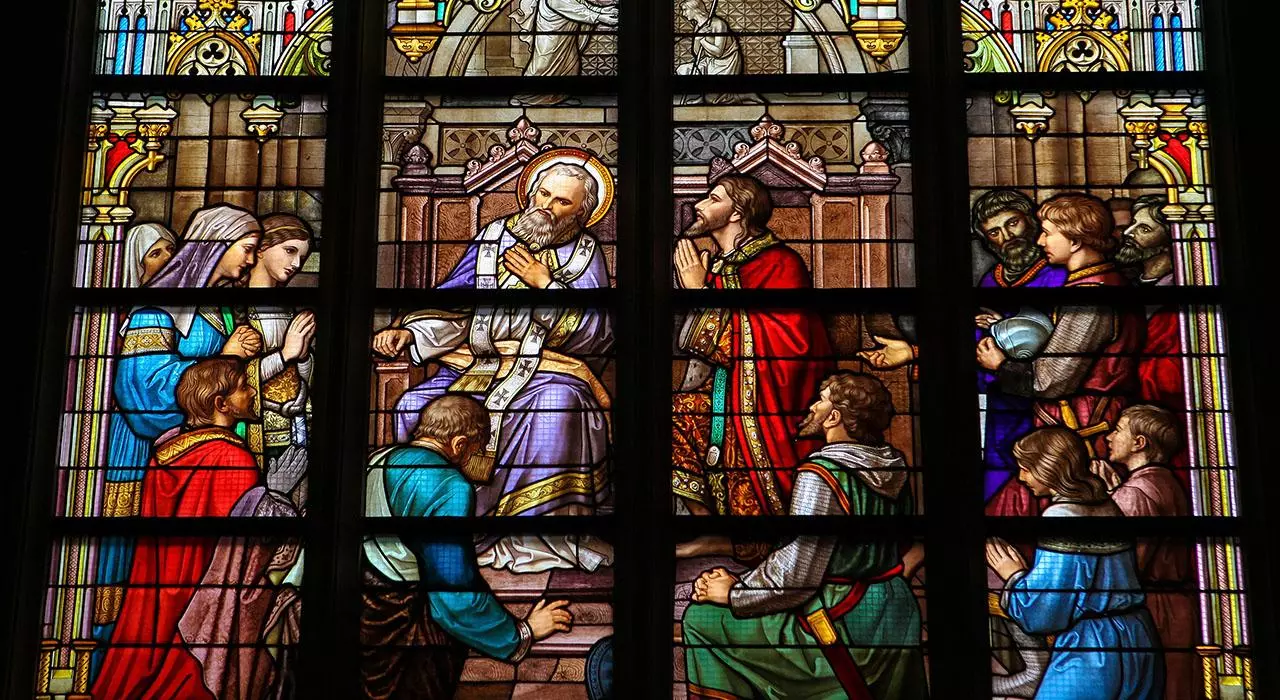
La Catholic Education Pedagogy se inserta en el marco escolar como una materia capaz de transmitir los valores, principios y relevancia histórica de la religión católica. Sin embargo, para que este mensaje sea realmente efectivo, es imprescindible que los profesionales cuenten con estrategias pedagógicas actualizadas que permitan comunicarlo de forma clara y adaptada a la edad y características del alumnado. Este Postgraduate diploma de TECH Global University aborda estas necesidades, proporcionando conocimientos avanzados sobre la enseñanza de la religión católica, su fundamentación filosófica, la fenomenología religiosa y los métodos de investigación en este ámbito.
A lo largo de seis meses, el programa universitario guía al especialista en la profundización de los fundamentos de la enseñanza religiosa, la interpretación del lenguaje de la fe y el desarrollo de planes educativos adaptados a cada etapa escolar. El contenido está diseñado con un enfoque práctico y actualizado, ofreciendo una visión integral que permite no solo transmitir el mensaje cristiano, sino también fomentar la interiorización de sus valores éticos y morales.
Gracias a la modalidad 100% online, los contenidos están disponibles en cualquier momento y desde cualquier dispositivo con conexión a internet. El programa universitario incorpora material didáctico multimedia de gran calidad y el método Relearning, que facilita la asimilación de conceptos clave reduciendo las horas de estudio. Asimismo, el Postgraduate diploma ofrece una serie de Masterclasses impartidas por un prestigioso Director Invitado Internacional, garantizando una experiencia académica inmersiva, flexible y alineada con las exigencias profesionales actuales, permitiendo al especialista actualizar y perfeccionar sus competencias en la enseñanza de la educación católica.
Asimismo, gracias a que TECH Global University es miembro de la North American Association for the Study of Religion (NAASR), el profesional podrá acceder a planes de clase, guías temáticas y materiales para la enseñanza de la Religión. También recibirá beneficios como participar en eventos académicos y conectarse con una red internacional de educadores, fortaleciendo su análisis histórico desde una perspectiva inclusiva.
Actualiza tus competencias, domina estrategias pedagógicas innovadoras y lleva el mensaje cristiano a cada etapa escolar con excelencia”
Esta Postgraduate diploma en Catholic Education Pedagogy contiene el programa universitario más completo y actualizado del mercado. Sus características más destacadas son:
- El desarrollo de casos prácticos presentados por expertos en Humanidades
- Los contenidos gráficos, esquemáticos y eminentemente prácticos con los que están concebidos recogen una información científica y práctica sobre aquellas disciplinas indispensables para el ejercicio profesional
- Los ejercicios prácticos donde realizar el proceso de autoevaluación para mejorar el aprendizaje
- Su especial hincapié en metodologías innovadoras
- Las lecciones teóricas, preguntas al experto, foros de discusión de temas controvertidos y trabajos de reflexión individual
- La disponibilidad de acceso a los contenidos desde cualquier dispositivo fijo o portátil con conexión a internet
La multitud de recursos prácticos de este programa universitario te ayudarán a afianzar los conocimientos teóricos”
Incluye en su cuadro docente a profesionales pertenecientes al ámbito de Humanidades que vierten en este programa universitario la experiencia de su trabajo, además de reconocidos especialistas de sociedades de referencia y universidades de prestigio.
Su contenido multimedia, elaborado con la última tecnología educativa, permitirá al profesional un aprendizaje situado y contextualizado, es decir, un entorno simulado que proporcionará un estudio inmersivo programado para entrenarse ante situaciones reales.
El diseño de este programa universitario se centra en el Aprendizaje Basado en Problemas, mediante el cual el alumno deberá tratar de resolver las distintas situaciones de práctica profesional que se le planteen a lo largo del curso académico. Para ello, el profesional contará con la ayuda de un novedoso sistema de vídeo interactivo realizado por reconocidos expertos.
TECH Global University pone a tu disposición la metodología didáctica más novedosa del panorama académico actual”

Un programa universitario 100% online con el que podrás estudiar a cualquier hora y desde cualquier lugar del mundo”
Syllabus
Aware of the relevance of the current situation of teaching in order to delve into the Catholic Education Pedagogy, the syllabus has been designed by a team of professional specialists in the field. TECHuses the revolutionary Relearning methodology in all its programs, which consists of reiterating fundamental concepts throughout the syllabus for their natural integration. In addition, with the wide range of practical case presentations, simulated scenarios and audiovisual content that complement this program, the graduate will learn while practicing, without the tedious need to memorize constantly and knowing, in each case, how to apply it to their teaching environment. In just 6 months, students will be able to achieve their objectives and perfect their professional skills thanks to this Postgraduate diploma.

A syllabus adapted to the requirements of your job to bring out your best professional version"
Module 1. Philosophy and Phenomenology of Religion
1.1. Basic Presuppositions in the Development of Sciences and Explanation of Some of Them.
1.1.1. Paradigms and Traditions of Research
1.1.2. Laudan and Research Traditions
1.1.3. Problem Solving Models
1.1.4. Scientific Changes
1.2. Philosophical Reflection on Religion
1.2.1. Interrelations Between Philosophy and Religion
1.2.2. Religion Throughout the Centuries
1.3. Phenomenology
1.3.1. Birth of Science
1.3.2. Phases, Characters and Ideas of Configuration
1.3.3. The Phenomenological Method
1.4. Etymology of Religion
1.4.1. Modern Interpretations
1.4.2. Theories of Religion
1.5. Theories on the "First Form" of Religion
1.5.1. Typology of the Different Religions in Human History
1.6. The Religious Fact in the History of the Humanity
1.6.1. Configuring Components of the Religious fact
1.7. The Mystery, Reality that Qualifies the Sphere of the Sacred
1.7.1. Mediations Manifestations of the Mystery: The Hierophanies, Sacred Spaces and Sacred Times.
1.7.2. Meanings Common to All Religions and Particular Notes of Judaism, Islam. Hinduism and Buddhism
1.8. The Revelation of the Divinity: Source of All Religion
1.8.1. Sacred Texts or Sacred Scriptures of the Religions.
1.9. The Language of Faith: Religious Language
1.9.1. Characteristics and Forms
1.9.2. The Symbolic Language of Religious Experience: Functions of the Symbol in Religions.
1.9.3. The Mythical Expression
1.9.4. Confection of the Beliefs
1.9.5. Characteristics, Function and Types of Myths
1.9.6. Philosophical-Theological Elaborations and Religious Tradition
1.10. Human Experience, the Path to Religious Experience
1.10.1. Concept and Realization of this Experience of Openness
1.10.2. Religious Experience and the Complexity of Attitudes that Make It Up: Existence and Explicitness, Characteristics and Essential Notes of Religious Experience.
1.10.3. The Discovery of the Absolute in the Horizon of the Religious Attitude
1.10.4. The Response of Man and Religious Maturity: Definition, Characteristics of the "Mature" Man
Module 2. Education and Teaching of Religion
2.1. Education and Teaching of Religion in School
2.1.1. The Religion Teacher: Identity and Mission
2.1.2. Aspects that Correspond to the Religion Teacher
2.1.3. Core Competencies of the Teacher
2.1.4. Professional Profile of the Catholic Religion Teacher
2.1.5. Professional Profile of the Catholic Religion Teacher
2.2. Religious Psycho-Pedagogy
2.2.1. Religious and Moral Evolution of the Child from 3 to 12 Years Old
2.2.2. The Religious Awakening of the Child from 3 to 6 Years Old
2.2.3. Religious Thinking of the Child from 6 to 8 Years Old
2.2.4. Religiosity of the Child from 8 to 12 Years Old
2.2.5. Influence of the Family Environment and the Socio-Cultural Context
2.3. Learning to Teach in the Field of Religion
2.3.1. General Aspects of Learning
2.3.2. Procedures and Strategies Appropriate to the Teaching of Catholic Religion
2.3.3. Evaluation of Learning in Religion and Morals
2.3.4. Materials and Resources for the Teaching of Religion
2.4. Teaching of Religious Education in Schools
2.4.1. The School Syllabus: Definition
2.4.2. Basic Elements of the Syllabus
2.4.3. Sources of the Syllabus
2.4.4. Structure of the Syllabus Design
2.5. The Religion Syllabus for Pre-school and Primary Education
2.5.1. Syllabus and Basic Competencies
2.5.2. Contribution of the Competencies to the Field of Religion
2.5.3. Basic Teaching Element: The Teaching Unit
2.5.4. Methodology for the Production of Teaching Units in the Field of Religion
2.6. Application to the Teaching of the Bible
2.6.1. Purposes
2.6.2. Geographical-Historical References
2.6.3. Biblical Language
2.6.4. Biblical Message
2.6.5. Biblical References in the Syllabus
2.6.6. Basic Procedures for the Teaching of Biblical Content
2.7. Application to the Teaching of the Sacraments
2.7.1. Purposes
2.7.2. References on the Sacraments in the Syllabus
2.7.3. Basic Procedures
2.7.4. Educational Resources
2.8. Application to the Teaching of the Catholic Moral
2.8.1. Purposes
2.8.2. References on Catholic Morality in the Syllabus of Compulsory Education
2.8.3. Theological Indicators
2.8.4. Basic Procedures
2.9. Teaching Applied to Values Education
2.9.1. Foundation of the Evangelical Values
2.9.2. Application of the Values to Learning
2.10. Research in Teaching of Religion
2.10.1. Current Lines of Research
2.10.2. Possible Future Research Paths: On Religious Education Teachers. On the Students: What They Know and What They Learn. On the Teaching Methodology
Module 3. Pedagogy of faith
3.1. School
3.1.1. Approach to the Concept of “school”
3.1.2. Evolution throughout History
3.1.3. Types of Existing School
3.2. What is Educate?
3.2.1. Etymology and Meanings of the Term "Education"
3.2.2. Analysis of the Different Ways of Educating and Education
3.3. Educational Process
3.3.1. Education as a Process of Personal Construction
3.4. The Demands of Education in Today's World
3.4.1. Analysis of The Current Social Reality
3.4.2. Challenges that this Reality Poses to Education
3.4.3. Pillars that Should Support Education
3.5. Religiosity in the Person
3.5.1. The Religious Dimension of the Human Being
3.5.2. The Form It Takes in Christianity
3.5.3. The Connection between a Person's Religiosity and Education
3.6. Divine Pedagogy
3.6.1. Characteristics of God's Pedagogy in His Revelation to Mankind
3.6.2. Contribution of Pedagogy to Human Educational Action
3.7. The Transmission of the Faith, Permanent Task of the Church
3.7.1. Evangelism Mission of the Church
3.7.2. The Main Forms of Evangelization
3.7.3. Character of School Religious Education
3.8. The Uniqueness of Christian Pedagogy
3.8.1. Personalism as the Basis of the Christian Educational Model
3.8.2. Mounier's Personalism
3.9. A Teacher for the Pedagogy of Love
3.9.1. Jesus and His Pedagogy of Love
3.10. Keys to the Christian Educational Model
3.10.1. Main Pedagogical Lines of the Christian Educational Model

Make the most of this opportunity to learn about the latest advances in this subject to apply it to your daily practice"
Postgraduate Diploma in Catholic Education Pedagogy
Academic training in Catholic education pedagogy has become essential for those professionals who wish to develop a career in education with a religious focus. At TECH Global University, we offer the Postgraduate Diploma in Catholic Education Pedagogy, designed to provide a solid preparation in this discipline. In this program, the theoretical and practical foundations of Catholic pedagogy will be explored, as well as its application at different educational levels. Participants will acquire knowledge about the most effective pedagogical methodologies in the context of Catholic education, fostering the integral development of students and promoting Christian values in the teaching-learning process.
Participants will acquire knowledge about the most effective pedagogical methodologies in the context of Catholic education, fostering the integral development of students and promoting Christian values in the teaching-learning process.
Our Postgraduate Diploma in Catholic Education Pedagogy offers a comprehensive and up-to-date overview of the challenges and opportunities in religiously oriented education. During the program, topics such as curriculum planning from a Catholic perspective, integration of faith and teaching, and values training in the context of Catholic education will be addressed. In addition, practical tools for classroom management will be provided and innovative pedagogical strategies that foster meaningful learning and the spiritual development of students will be explored. With the Postgraduate Diploma in Catholic Education Pedagogy, participants will be prepared to serve as highly qualified professionals in Catholic educational institutions, contributing to the integral growth of students and the strengthening of Catholic identity in the educational setting.